
距截稿日期还有:
- 00 天
- 00 时
- 00 分
- 00 秒
ICBLS2026演讲嘉宾信息如下:
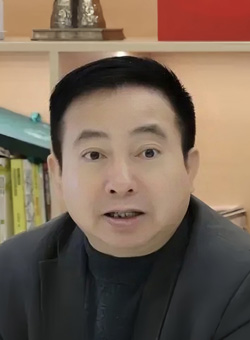
Dr. Shufeng Zhou, Professor
College of Chemical Engineering, Huaqiao University, Xiamen, China
Biography: Dr. Shu-Feng Zhou is a Distinguished Professor and doctoral supervisor at Huaqiao University, where he previously served as Dean of the College of Chemical Engineering. He has held academic, research, and leadership positions at the University of Auckland, National University of Singapore, Queensland University of Technology, RMIT University, and the University of South Florida (USF). At USF, he served as Associate Dean of the College of Pharmacy, Chair of the Department of Pharmaceutical Sciences, and Associate Vice President. His research focuses on drug discovery and development, drug metabolism and transport, nanomedicine, biochemical engineering, and precision medicine. Recognized repeatedly as a Clarivate Highly Cited Researcher, he has published more than 650 SCI-indexed papers, with over 65,000 citations and an h-index of 107, and has edited or contributed to 19 English-language scholarly books. He has secured more than US$65 million in cumulative research funding and mentored 42 postdoctoral researchers, 58 PhD students, and more than 120 master's students. His honors include appointments under national high-level international talent programs and Fujian Province's Hundred Foreign Experts Program. He has also served on an expert committee of the International Agency for Research on Cancer (IARC/WHO) and as a reviewer for major research and talent programs.
Topic: Targeting Kinases and Regulated Cell Death: New Strategies for Precision Cancer Therapy
Abstract: Targeted cancer therapy has evolved from inhibiting a single oncogene or signaling pathway toward coordinated interventions involving multiple targets and mechanisms. This presentation highlights our investigations into the design of tyrosine kinase inhibitors (TKIs) and the induction of regulated cell death. Novel small-molecule TKIs were designed and synthesized using kinase ATP-binding sites and fragment-based strategies, followed by evaluation of their antitumor activities and molecular targets. We also developed tumor-targeted nanodelivery systems designed to induce ferroptosis by increasing intracellular iron, promoting reactive oxygen species (ROS) generation, and downregulating GPX4. To trigger copper-dependent cell death (cuproptosis), we engineered near-infrared (NIR)-driven CuSiO3@Au–Pd micro/nanomotors for deeper tumor penetration. These systems perturb copper homeostasis, deplete glutathione (GSH), generate ROS, reduce mitochondrial membrane potential, and promote DLAT aggregation. Integrating TKI-mediated signaling inhibition with ferroptosis and cuproptosis may offer new approaches to overcoming therapeutic resistance and developing mechanism-based combination treatments in precision oncology.
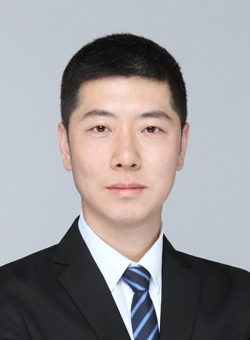
Dr. Zhiwei Qin, Professor
Centre for Biological Science and Technology, Beijing Normal University, Zhuhai, China
Biography: Dr. Zhiwei Qin is a Professor in the Centre for Biological Science and Technology at Beijing Normal University, China. He received his Ph.D. from the University of Aberdeen in 2013 under the supervision of Hai Deng. He subsequently joined the prestigious John Innes Centre as a postdoctoral researcher, where he worked with Barrie Wilkinson until 2019. Following a year in industry at the Demuris Ltd., a biotechnology spin-out associated with the Newcastle University, he established his independent research group at Beijing Normal University in 2020, where he is currently a Professor. His research focuses on microbial natural products, including their discovery, structural elucidation, biosynthesis, and biological functions. In recent years, his interests have expanded to artificial intelligence (AI) for natural product research, particularly the application of protein language models derived from large language model technologies. His recent work includes the AI-guided engineering of antimicrobial peptides, explainable prediction of substrate specificity of nonribosomal peptide synthetase, and protein language model-based analysis of the co-evolution of aromatic polyketide synthases (KSa and KSb). His long-term goal is to integrate AI with natural product science to accelerate the discovery, understanding, and engineering of bioactive microbial metabolites.
Topic: Learning Natural Products from Nature’s Way
Abstract: Microbial nonribosomal peptides (NRPs) exhibit remarkable structural diversity and represent an important source of lead compounds for clinical drug development. Their biosynthesis is catalyzed by nonribosomal peptide synthetases (NRPSs), in which adenylation (A) domains determine the core peptide structure by selectively recognizing and activating amino acid substrates. Accurate prediction of A-domain substrate specificity is therefore essential for understanding both the structural diversity and biosynthetic logic of NRPs. In this talk, we present DeepAden, a two-stage deep learning framework for predicting NRPS substrate specificity. In the first stage, a graph attention network (GAT)-based model identifies 27-residue substrate-binding pockets located within 6 Å of the bound substrate and generates informative pocket representations. In the second stage, these pocket representations are encoded together with substrate information using pretrained protein language models and aligned through contrastive learning. To address the challenge of class imbalance, particularly for nonproteinogenic substrates, we further developed a SHapley Additive exPlanations (SHAP)-guided data augmentation strategy. DeepAden achieves competitive performance compared with existing state-of-the-art methods on benchmark datasets and has been successfully applied to annotate two Streptomyces NRPS biosynthetic gene clusters by providing reliable A-domain substrate specificity predictions. By combining explainable artificial intelligence with protein language models, DeepAden provides a practical framework for substrate prediction and may accelerate the discovery and characterization of new nonribosomal peptide natural products.
2026第十四届生物与生命科学国际会议(ICBLS2026)现诚邀广大学者、专家成为演讲嘉宾(具有博士学位且有副教授及以上职称者优先)。
会议演讲嘉宾可以享受以下权益:
1. 免费参会;
2. 免费发表一篇论文;
3. 免费茶歇、午餐和晚宴;
4. 免费厦门一日游;
5. 演讲嘉宾证书。
如您有意加入ICBLS2026成为会议演讲嘉宾,请通过以下任意一种途径完成申请:
您也可以通过邮箱提交申请,请点击这里下载申请表格,填写后同您的个人简历通过邮件发送至: keynotespeaker@conference123.net
欢迎添加组委会周老师微信咨询,随时了解演讲嘉宾申请事宜。

微信/手机:18621626037
添加组委会微信
(周老师)
© 2015-2026第十四届生物与生命科学国际会议 版权所有
